Part 1: MURDER
EXODUS 20:2-17
The sixth commandment is often written incorrectly in English.
You may have it memorized? In any case, it says “Thou shalt not kill.” (KJV, for example), but some newer translations, such as the English Standard Version (ESV) acknowledge the Hebrew meaning of the word by saying, “You shall not murder.” (In a footnote the ESV says, “The Hebrew word also covers causing human death through carelessness or negligence.”)
[That is one of the reasons the ESV has become my favorite version, the translators have taken the time to check the context in ancient Hebrew thought. In another example, which I may have mentioned, some translations use the word “scapegoat” in Leviticus 16:21, but the ESV, having researched the timeline of word usage, found that the word “scapegoat” may not have been in existence or usage during the time of Leviticus and that many copiers of the text merely substituted it later. The word used in many of the oldest copies of the text is “Azazel,” which is an entirely different word and which possibly means “the cut off place” or “the place of separation.” In other words, the original text talks about the LOCATION, not the ANIMAL.]
Back to Exodus 20, in the original Hebrew text says “murder,” not “kill.”
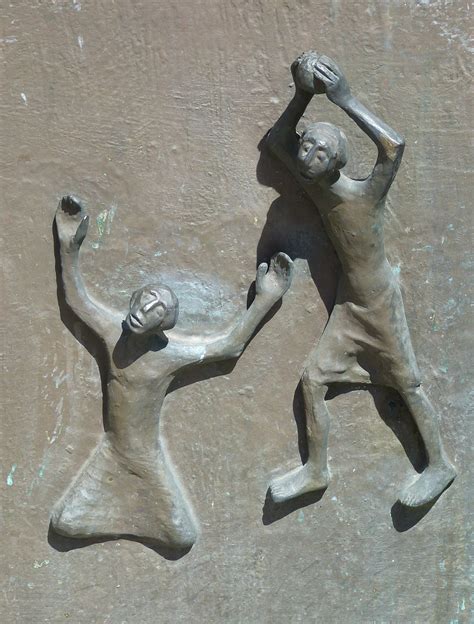
Conscientious Objectors have long used the poorly translated commandment as a basis for their refusal to fight in battle. (NOTE: I have no argument with such objectors as I understand there can be many legitimate reasons for not fighting in battle. I struggled with the concept myself as a young adult. “Could I fight if called upon? Should I?”) Some pastors have preached their own convictions about self- and family-protection and came down on the side of pacifism. I think that is a personal choice.
My point here is that IF one is basing his pacifism on Exodus 20 he is gravely mistaken. Clearly, those who were given this commandment in Exodus were also called upon to fight and kill their enemies. Later the Israelite people were even called upon, in some cases, to wipe out an entire opposing culture (women, children, the aged, and even the livestock). Thus, “killing” was not condemned. They were not permitted to murder or cause another to die through neglect or carelessness. If the death was the result of accident, and the one who caused the death had no intent to murder or harm, he was allowed to run to a safe city for protection. If he was convicted of murder the city would give him no protection from those who sought his punishment. Distinction was made between “kill” and “murder.”
Jesus went further in the New Testament, calling our thoughts of hate “murder.” (Some translations use the wrong word here as well). If you are a pacifist due to religious reasons you should control your thought life, too.
There is a bit of an issue in Texas public schools recently. Texas was (maybe still does) requiring the Ten Commandments to be posted in every classroom. Unfortunately the poster they require uses the wrong translation of the word; it says “kill” not “murder.” Thus, followers of the Jewish faith have a bit of heartburn about supporting the law. In reality, I doubt that posting the commandments has led to a single non-murder in the state. However, I can see how reading the list might encourage a student to think through personal ethics. (How would that hurt?) In that sense it is no more religious than “A stitch in time saves nine.”
“Kill” is such a little murder of the language…
Now a few specifics.
Recently the State of Florida put to death a man convicted of murder. Isn’t that the “same” as murder? Certainly a death is a death. However, the government of a state or the federal government has the right to punish by death if the crime is heinous.
During war, combatants do everything they can to kill, maim, and destroy their enemies and anything which would aid their own cause. There has rarely been a war when that wasn’t the goal and aim. During war killing is “allowed,” but we look poorly upon the soldier who murders civilians or prisoners.
The sixth commandment makes it clear that God expected His people to take great care, that they should watch out for the lives of others. We ARE our brothers’ keepers. We should work to bring them good and not harm. “You shall not murder” is only the tip of the iceberg.

Part 2: SALVATION
JOHN 3 EXPLAINED.
This is an explanation, not theology. Many have heard John 3:16, but few can quote John 3:18. However, verse 18 tells us why 16 is so incredibly important.
According to verse 18, our destination is already set. God doesn’t have to do a blessed thing for us to go to Hell. God does not “send” anyone to Hell. We are already “CONDEMNED” and if He did nothing we would ALL end up there. It is a natural consequence of Adam’s sin (Adam handed his ownership to Satan). Sometimes I hate natural consequences!
OK, here’s the reason we are already condemned: We aren’t God’s. If we were we’d not need salvation at all. We are born into this world that is ruled by Satan. Thus, we are instantly owned by Satan from birth. Satan and all who are his are condemned. Therefore, it isn’t what you have done, but who owns you, that condemns you.
Some think salvation is a yes/no question. It isn’t. Hell is the AUTOMATIC answer, salvation comes by choosing the non-automatic. It is the “yes” which changes our destiny, but we don’t have the option of saying “no.” “No” is the default.
The simple answer is that verse 16 opens up the door to choosing to believe God. Everything changes from “normal” if we walk through that door.
Copyright 2026 Donald Whelpley
[PLEASE NOTE that Don is always open to discussing the thoughts and opinions he shares here and welcomes comments as shared in the comment section. He doesn’t use other social media platforms and won’t see whatever you’d like to share with him if you post it elsewhere.
ALSO, Don is always open to offer his thoughts on various topics. If you have a specific request, you can let him know in a comment; he reads – and replies to – them all. ~ Sherry]

See more GUEST POSTS from Don
Comments