PESTICIDE EXPOSURE
What is the OPPOSITE of pesticide exposure? Toxic insect exposure. More children died in the 1800s from insect infestations in foods than died in the 1900s from pesticide exposures from farm foods. Insect feces, eggs, crop disease from burrowing insect larvae, etc., created a food nightmare in the 1800s. No one ate an apple in the dark. No one cooked oatmeal without first covering it with water in a bowl and skimming the live and dead insect parts off. Some people believe insecticides are the problem because they have never experienced the OPPOSITE. The opposite problems are REAL in every third world country today, but not in the United States.
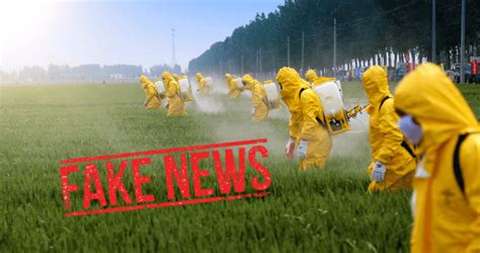
I checked the last 10 years of data at the CDC and found applicable information on their environmental public health tracking for pesticide exposure cases in the United States. The short list of pesticide exposure cases for the most recent reports of exposures turned up 3 (total) in Michigan and 1 (total) in Kentucky for that period. ZERO reported cases, anywhere in the United States, were the result of EATING pesticide-tainted farm products. Almost all reported exposures were limited to factory or farm workers who were exposed to pesticides in mega-amounts.
In 1962 Rachel Carson published “Silent Spring,” the landmark book about chemical effects on the natural world. Although much of her research later was proven to contain errors, at the time (and since) it sparked a public outcry about pesticide use. There were many very good results and a few very bad ones. One, as a result of her book many “forever” chemicals (like lead and mercury) were banned from pesticide formulations. However, with the good came the bad, some beneficial products and practices were also banned. It took decades to catch up and billions of dollars in insect damage before new effective products came on the market. For instance, we were without an effective termiticide which properly protected buildings, especially in the South. The ones available failed in as little as three years, but cost as much to apply.
The importance of this CDC data is astounding considering that I’ve read at least 17 articles this year which claim that pesticides on fruits and vegetables can cause illness. Yet, there are no reported cases of such over the most recent 10 years (and, I suspect, for the last 30-40 years). However, again, as an article on Martha Stewart’s website proclaimed recently regarding leafy produce: “The texture of their leaves creates a perfect hiding spot for dirt and sand, not to mention microbes, bacteria, and PESTICIDES (capitalization mine), all of which can cause food-borne illness.” The critical part in this sentence are the words “can cause.” Notice that Martha’s staff did not use the words “has caused.” That is because of two significant factors. One, farmers are required to report all pesticide applications on their fields and must follow strict usage guidelines. Second, harvested crops are randomly tested. Farmers neither want to be responsible for customer harm nor pay a hefty fine. So, the CDC reports there has not been a single reported case of pesticide poisoning via ingesting fruits or vegetables.
I am not opposed to washing vegetables and fruits. It is a good practice. When I wash potatoes, carrots, or even lettuce all kinds of dirt and scum are removed. I’ve even found insect larvae and not a few pieces of weird grit. What I’ve not found is a layer of pesticide residue. There is a reason for that … farmers are banned from using any type of pesticide on developing fruits and vegetables. In fact, most chemicals must be used BEFORE the plant blooms. Some must be used before the new seedling pops above the soil. Please tell me if you (or anyone you personally know) has ever died or been hospitalized from eating a commercial grown pesticide-laden fruit or vegetable. In my entire life I’ve never met nor read about such a person. (But my grandfather never ate an apple in the dark because when he grew up they often had worms or larvae in them when pesticides were not used.)
Current professional farm pesticides have short life-spans. Long gone are the days when mercury, lead, or other long-lasting ingredients were allowed. Most modern pesticides are sprayed at insanely low levels of active ingredient and have a half-life of mere days or weeks. Several products I know about are sprayed at a 0.06% active ingredient level (40 years ago there were several that had 2.0% or more). The initial spray is strong enough to kill an insect, but wouldn’t kill a mouse.
Let me also say that many are worried that pesticides will cause cancer. Well, we live in a world where your living room couch causes cancer, so … Anyway, modern insecticides, at the exposure levels you will be subjected, would take hundreds of years of direct exposure to give you any likelihood. Even California allows most of them to be used (and they eat fruits and nuts). The government does test for carcinogenic factors and finds few. (As an aside, I once had a customer ask about how carcinogenic my pesticide treatment would be. She had just had a perm, was wearing dry cleaned clothes, and smoking a cigarette. I didn’t laugh.)
The formula that determines the degree of toxicity is “ % of active ingredient x length of exposure DIVIDED by body weight.” What might kill a tiny insect would have not a chance of killing you. You are many times heavier (I’m not calling you “fat”). When I started in pest control there was great importance of knowing the toxicity formula. We knew that certain amounts of undiluted pesticides would kill half of the rats in the experiment. That was known as LD50 (lethal dose 50%). By the end of my career there were few products in use where LD50 was meaningful. Manufacturers could no longer kill even a single rat in a LD50 experiment (unless they drowned them in the product). The result was that they exposed the rats to the highest concentration available and reported it this way: “LD50 is > 10,000 mg/kg.” They reported thus that they imagined they might be able to kill a rat if they could inject some rat with more than that amount; but that much pure water would kill it, too.
Back in the 1950s it was a good idea to wash the pesticide off your apple. But since 1990 you’re only washing off dirt and bacteria. I believe you’d have a bigger risk of developing cancer by walking into a candle store.

Copyright 2025 Donald Whelpley
[PLEASE NOTE that Don is always open to discussing the thoughts and opinions he shares here and welcomes comments as shared in the comment section. He doesn’t use other social media platforms and won’t see whatever you’d like to share with him if you post it elsewhere.
ALSO, Don is always open to offer his thoughts on various topics. If you have a specific request, you can let him know in a comment; he reads – and replies to – them all. ~ Sherry]

See more GUEST POSTS from Don
Comments