HONEYBEES (Part 2) OTHER POLLINATORS…
I have plenty about which to write, but I will take on an occasional request. When I mentioned that honeybees are not native to America, Owly said, “I’d love to see you write about other pollinators someday…” Well, here’s “someday,” before I forget (because my forgetter works better than it used to).
Honeybees are not the only pollinators. In fact, none of the American continents had ANY honeybees until after 1600. Jungles, forests, and prairies did just fine without them. Not one colonist died of starvation due to the lack of pollinators. More importantly, no colonist died from anaphylactic shock from a honeybee sting until after 1600, either. USGS.gov says “Honey bees are not native to North America. They were originally imported from Europe in the 17th century.” However, I don’t know whether to trust them since in the same document (updated in the last 3 years I would assume) says this: “Critical honey bee populations in the United States have been declining in recent years…” That statement is obviously false if you read my May 30 post about “Honeybees” and saw the honeybee population chart from 1995 to the present.
So, there is NOTHING to fear but fear itself in regard to honeybees and pollination.

Lots of things pollinate our food crop plants. There are only a tiny handful of plants which are only visited by bees and honeybees are not the number one bee that visits most of them. Without mentioning honeybees I will list the top 10 pollinators:
HOVERFLIES, many of which resemble stinging bees actually mimic the yellow and black pattern to discourage predators. Of the 105 potential food crops (fruit, vegetable, and grain), hoverflies visit about 70%.
BLOWFLIES, those pesky critters that show up when something is well into decay… But they also pollinate about 30% of the potential food crops. Turns out they like the protein-rich pollen, too.
ANTS of all types love pollen. They are common pollinators of about 30% of food crops.
BRUSH-FOOTED BUTTERFLIES and SULFUR AND WHITE BUTTERFLIES: Each type loves about 25% of food crop pollens (they share some preferences).
POTTER WASPS: You’ve seen them. They build tiny mud nests in many hidden places. They like about 23% of common crop pollens.
HOUSE FLIES: You thought there was no value in these except to feed your pet lizard and amuse your cat. They pollinate about 22% of food crops.
WASPS which build homes on your house and shed also visit about 20% of the different crops.
LADYBUGS (Lady Bird Beetles is the actual name) visit about 19% food crops. They also help to control aphids and other plant-sucking insects. That is why farmers imported so many Asian Ladybugs (those pale, biting cousins of our own 5-spotted Ladybugs).
LEAF BEETLES (over 37,000 species worldwide) don’t only chew on leaves, they also spread the pollen of about 18% of common food crops.
They don’t all like the same pollen. So, NEARLY EVERY food crop can be fully pollinated without the use of a single honeybee. (Yup! They also lied that if the honeybee died out we would “all starve to death.”) Following is a partial list of OTHER things which pollinate food crops …
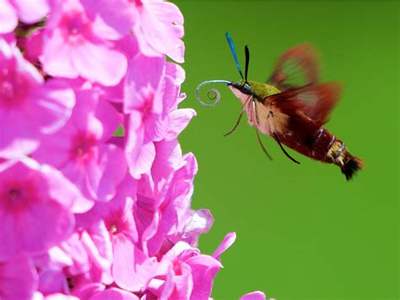
Moths. In fact, have you ever seen a “Hummingbird Moth?” Amazing. Sounds like a hummingbird with its fast-moving wings, moves like one and feeds almost like one. Only difference is that the moth doesn’t have a beak and long tongue. It has a long curled proboscis which it uncurls to lick the inside of the flower. I watched one about 7′ away once while I was sitting on a porch in Lansing, Michigan writing an inspection report.
Bats. Yes, several varieties of bat love tree flower nectars and pollen.
Frogs. (Mostly unintentionally, but check out the Brazilian Tree Frog).
Untold numbers of insects of all kinds like grasshoppers, leaf hoppers, crickets, midges, and mosquitoes. If it crawls into just two flowers it can do the trick.
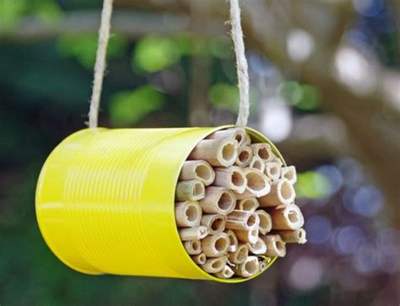
Other bees. Huge numbers of random bees, including sweat bees and small wasps help out. There are about 4,000 types of bees in the USA. Not all pollinate. They range in size from the 2mm Perdita minima to the flying “bird” called the Carpenter bee. While it is true that honeybees are the primary pollinator for things like Almonds and Lemons, other insects help. Check out Mason bees which look like smaller pale honeybees and are not aggressive. In fact, they are solitary (2 per nest), but they don’t mind having lots of Mason bee neighbors. You can create a “house” for them and hang it next to your garden.
Birds. For example, Orioles and some Doves. (I don’t think any pollinating Doves are in North America.)
Wind. Believe it or not, about 20-25% of common food crops rely primarily on wind to share their pollen. My springtime sneezes tell me that!
So, why are they still lying to us about honeybees dying off and/or that we would starve without them? GOOD QUESTION. The answer to that is they don’t trust us to do what they say unless they frighten us with ghost stories. Who is “they?” Obviously “they” includes groups with radical agendas and our own government. (I wouldn’t have included “government” if we hadn’t just caught them lying on their own official government website. I’m not anti-government, but very government-careful.)
We are glad to have honeybees, but if the honeybee no longer existed 103 of our 105 food crops would not suffer at all. Lemons might be a little harder to get at the store, but you can grow your own lemon tree inside your house and pollinate it with a Q-tip 🙂

In July I have something I am writing for Independence Day. I like to invite others to share their creativity from time to time. If you have a poem, artwork, or a writing which fits Independence Day please submit it to Owly’s email (label it for “July 4.”) She has some standards for submissions. I am not in charge of her site, I’m merely a guest.
[PLEASE NOTE that Don is always open to discussing the thoughts and opinions he shares here and welcomes comments as shared in the comment section. He doesn’t use other social media platforms and won’t see whatever you’d like to share with him if you post it elsewhere.
ALSO, Don is always open to offer his thoughts on various topics. If you have a specific request, you can let him know in a comment; he reads – and replies to – them all. ~ Sherry]

See more GUEST POSTS from Don!
Interestingly, I had just found a video that I added to my collection of future daily videos of a Hummingbird Moth feeding! I will post that as tomorrow’s Daily Video.
Thanks! We think of moths and their lazy wing movements … then we see THIS and we can’t believe its not a bird!
The scores of false information tidbits which come from “reputable” sources, like the federal government, and CDC makes me second-guess everything I’m told. (Do you want a list?)
-Honeybees are dying out
-Without honeybees we would starve to death
-Masking works
-Flu shots prevent the flu (Nope. Not even close. And you can still pass on the flu to your grandmother.)
-COVID shots prevent COVID
-HPV shots will protect your children from cancers caused by viruses. (only “protects” them from about 1/4 of cancers from preventable viral infections.)
-Big Bang … impossible because it would have required such an immense black hole that NONE of the stars or planets could have escaped the crushing gravity. There would be no visible universe…unless GOD did something.
Oh! You didn’t want the list?!
If there was a person in my life who was this unreliable, our relationship would be short-lived.
Very interesting information. And, the comment section is full of good information as well. Thanks for sharing.
And, because I like typing her website name into the comments, thanks to the host as well Mrs. chia.owly.net
E
Not speaking for Mrs. chia.owly.net …
It is a pleasure to share and be heard.